Tonometry / pressure test
Document/clause to inspect
Diagnostic testing and exam-fee terms
Supporting record
Dated result and reason for test
Coverage conclusion now
Not individually determined

Check glaucoma coverage line by line: earlier eye signs, pressure testing, medication, surgery and policy wording for the other eye.
Use these checkpoints to frame the literal question before reading the full guide.
Pet insurance may cover glaucoma treatment when it is an eligible illness under the actual contract, but the diagnosis name alone cannot establish coverage. Audit the first eye signs, policy dates and exclusions, then separate pressure testing, medication and surgery. Sudden eye pain, redness or vision change needs prompt veterinary attention; do not delay care for an insurance decision.
The sections below show how to verify the answer and what can change it.
Put the declarations, illness coverage clause, pre-existing definition, waiting-period wording and eye-related exclusions in one file. Add the full medical timeline, including earlier redness, pressure readings, eye medication and referral notes. A record first using the word glaucoma may occur after symptoms already appeared; an insurer can evaluate those earlier facts under its definition.
Merck Veterinary Manual’s July 2024 professional review identifies acute glaucoma as an ophthalmic emergency. Pressure measurement helps diagnosis, and veterinary management may involve medication or surgery. It also discusses evaluation of the other eye. Those clinical facts explain why invoices can contain different services; they do not show that a policy pays for them.
| Service or expense | Document/clause to inspect | Supporting record | Coverage conclusion now |
|---|---|---|---|
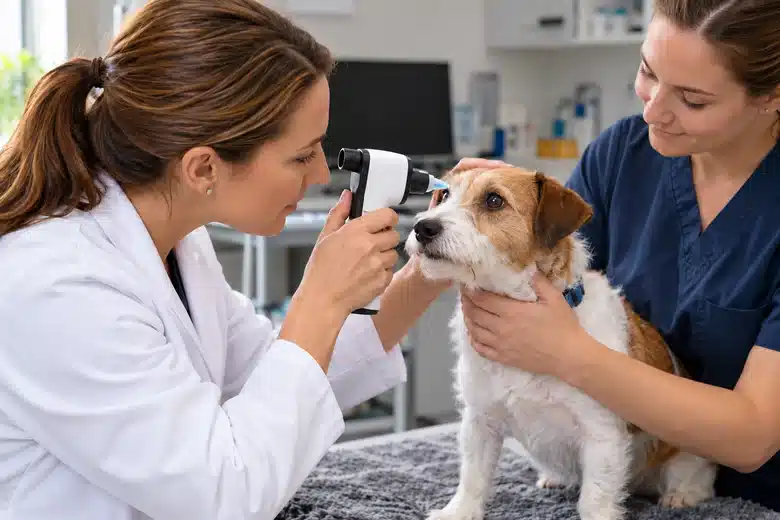
| Tonometry / pressure test | Diagnostic testing and exam-fee terms | Dated result and reason for test | Not individually determined |
| Specialist consultation | Licensed-provider/referral and examination provisions | Referral and itemized consult invoice | Not automatically the same as testing |
| Prescription eye medication | Eligible-condition drug benefit and exclusions | Prescription and diagnosis timeline | Check ongoing versus prior disease |
| Glaucoma surgery | Surgical benefit, exclusions and remaining limit | Veterinary recommendation and estimate | No guarantee from medical necessity alone |
| Rechecks / monitoring | Follow-up and exam-fee wording | Progress notes and separated charges | Check eligible categories each time |
| Other-eye assessment or prevention | Condition relationship/bilateral wording and preventive exclusions | Eye-specific findings and veterinary rationale | Do not presume included or excluded |
Healthy Paws’ current FAQ identifies cruciate-ligament disease as its only bilateral exclusion; that does not establish a blanket glaucoma exclusion in both eyes. Conversely, it does not guarantee a second-eye claim. Prior-condition definitions, related causes and the actual state form still require review.
The same FAQ has a conditional 365-day symptom- and treatment-free rule for certain curable conditions in listed states. It is not a rule that any chronic ocular disorder becomes eligible after one year. Do not classify glaucoma as cured merely to fit an insurance exception.
Keep policy terms, deductible, reimbursement and limits beside the quote so the comparison stays consistent.
| Date/event in the record | Question it raises | What would resolve it |
|---|---|---|
| Eye redness before enrollment | Could this be an earlier sign of the claimed condition? | Contemporaneous notes and applicable definition |
| Policy starts before diagnosis | Did required waiting conditions finish before first signs? | Effective/waiting dates compared with records |
| Medication begins after diagnosis | Is it treating the same excluded or eligible condition? | Prescription indication and coverage assessment |
| Other eye later needs assessment | Is this related disease, screening or a separate event? | Veterinary findings plus exact contract language |
These are invented relative events, not a claim case. A diagnosis after the start date can still fail a timing test, while a genuinely new eligible illness may proceed to the payment calculation. Keep those two stages separate so a reimbursement percentage never masquerades as approval.
No issued state policy or complete medical record was captured for a specific glaucoma claim. The page therefore explains the evidence needed and preserves that unresolved determination; it cannot promise payment for testing, drugs or surgery.
If a decision excludes treatment, compare the explanation with the exact clause and dates rather than changing the clinical history. Keep an itemized invoice and supporting notes for any available review process. Medical decisions remain with the treating veterinarian.
No. The illness must satisfy the contract’s timing, history and other conditions, and individual charges may be treated differently.
No. Acute glaucoma is an emergency; seek veterinary advice promptly for concerning eye changes.
Keep the policy terms beside the price, then continue to rates when the comparison is clear.